
European citizenship and EU values. But also music as a union of differences and a green actions starting from schools. Without forgetting the enhancement of local communities, and with an underlying idea launched during the event: promoting the Erasmus+ programme as one of the EU values itself.
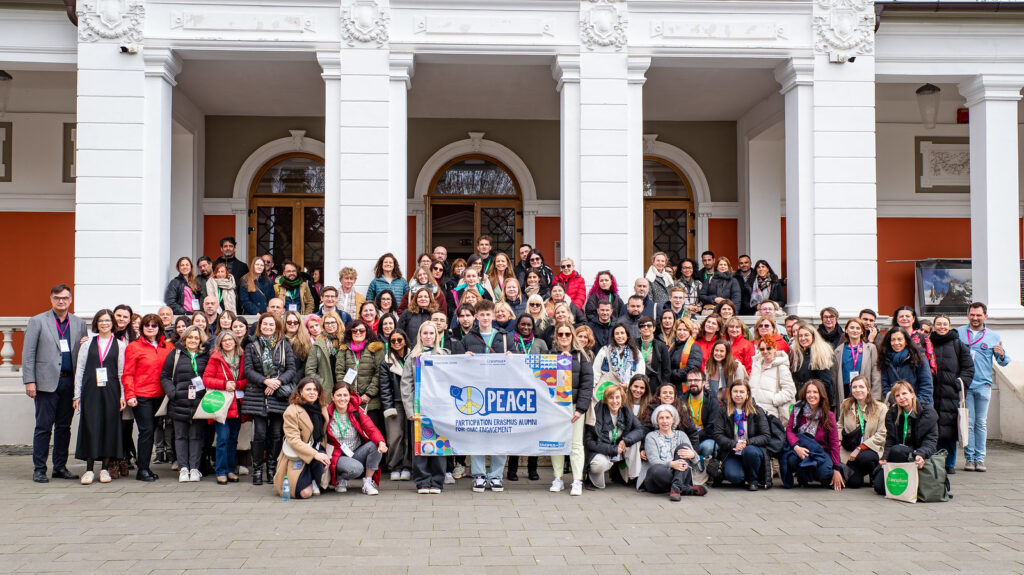
These, in short, are the themes that emerged during the last event of the PEACE (Participation Erasmus Alumni for Civic Engagement) project, staged in Cluj-Napoca, Romania, from 8 to 11 April 2025. A Long Term Activity (LTA-Long Term Activities) coordinated by Erasmus+ Italian National Agency INDIRE and focused on civic engagement and EU values.
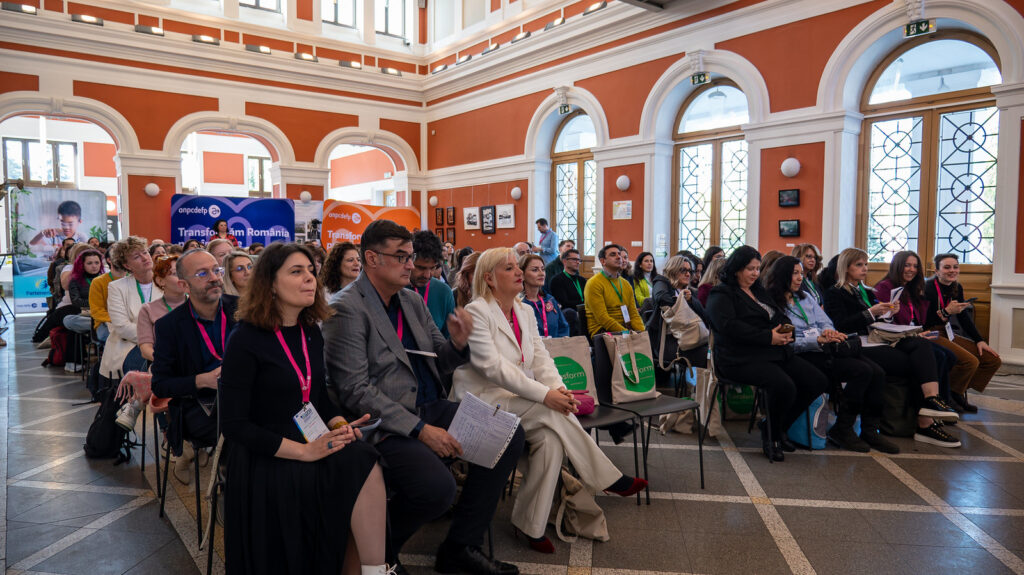
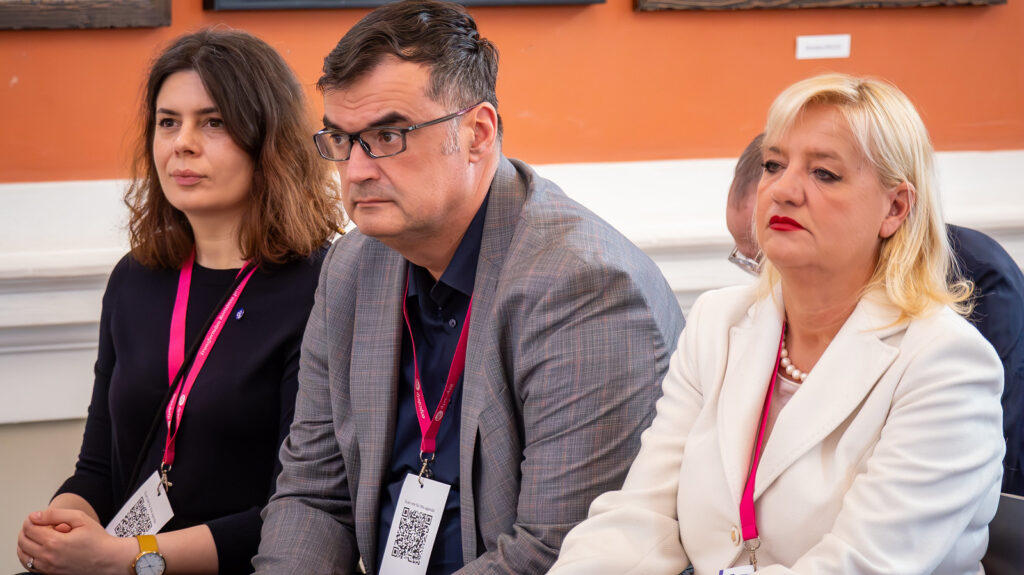
The event entitled Participation in Civic Engagement and green Actions, organised by the Romanian Agency ANPCDEFP in the city located in the north-west of the country, among the main academic and cultural centres and European Youth Capital in 2015, was attended by 120 participants from 20 European countries.
The first day of work opened at the Urban Culture Centre Casino inside the central park Simion Barnutiu with the participation of Emilia Botezan, representative of the municipality of Cluj-Napoca, who during her speech explained to the audience that “Europe starts in Cluj, starts from the local communities” defining Erasmus as the result of a “visionary effort”.
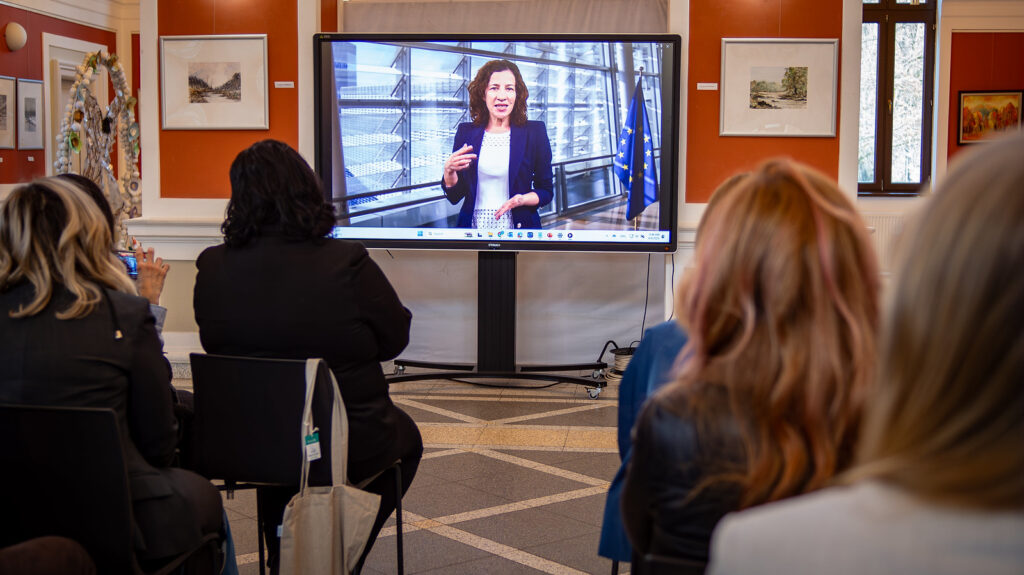
Then, space was given to a video message by Roxana Mînzatu, Executive Vice-President, European
Commission, who spoke about the new #UnionOfSkills strategy and what European citizenship means now, recalling that “today, skills are not only important for work, but also for participation and the resilience of democracy. Citizenship does not only mean voting or paying taxes, but also, for example, knowing how to recognise and counter fake news“.
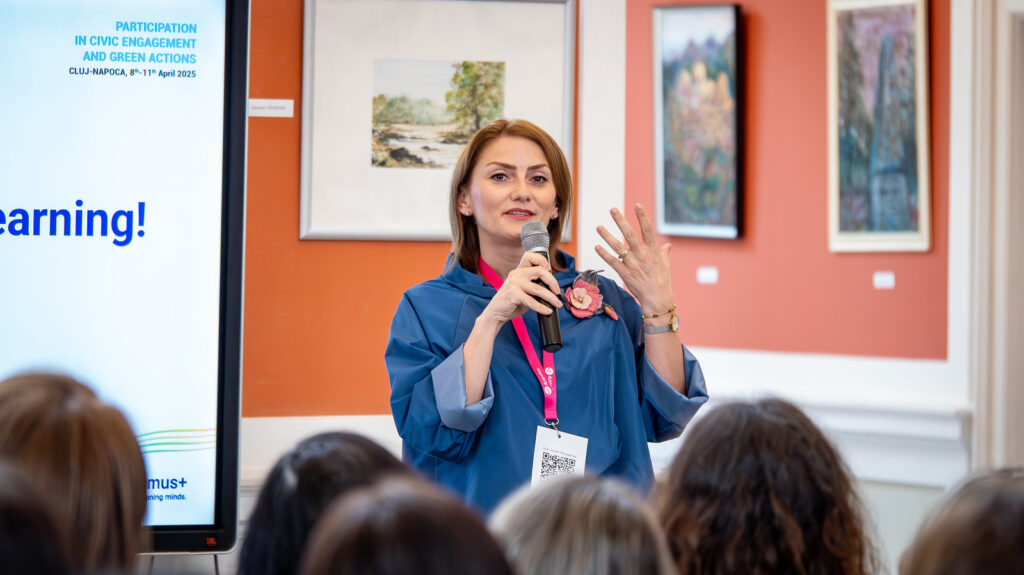
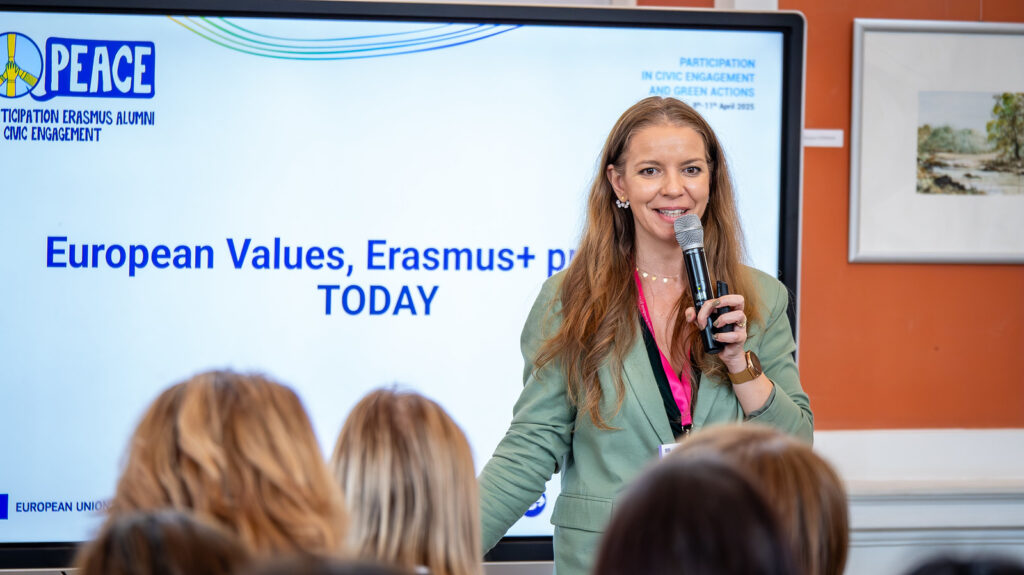
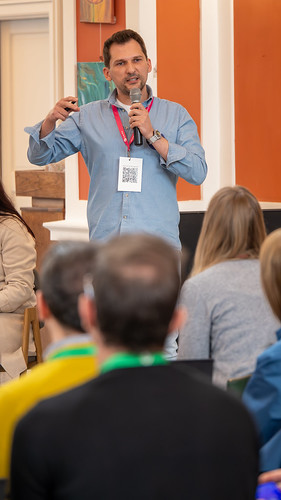
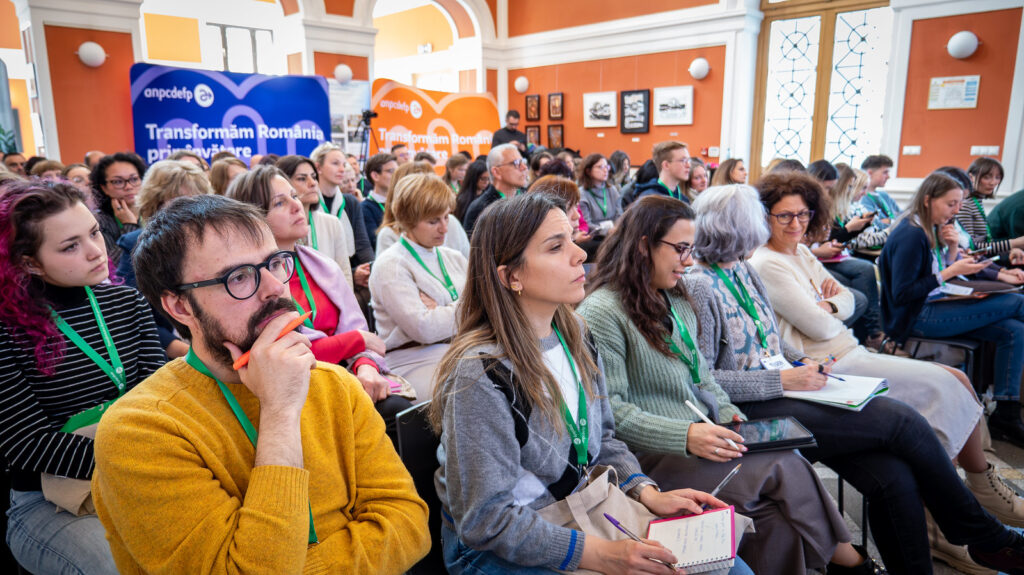
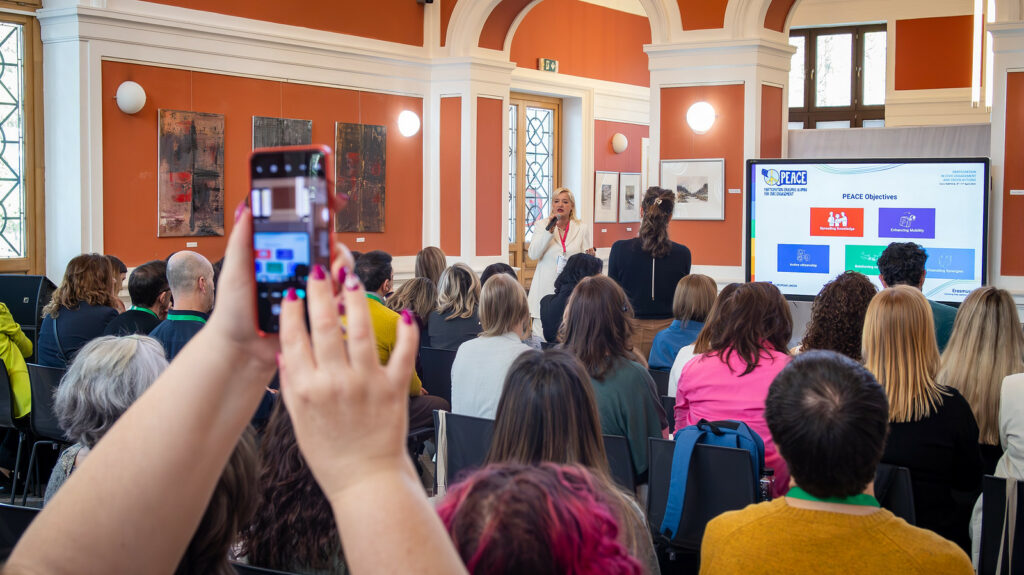
Sara Pagliai, coordinator of the Erasmus+ Agency INDIRE, on the other hand, reviewed the results of the PEACE project to date and presented the new PEACE+ phase (2025-2027), with a focus on the values of the European Union, emphasising the increasingly important role of the Ambassadors’ networks. She also invited everyone to participating in the public consultation, until 6 May, on the future European Multiannual Financial Framework on #Erasmusplus and the Programmes.
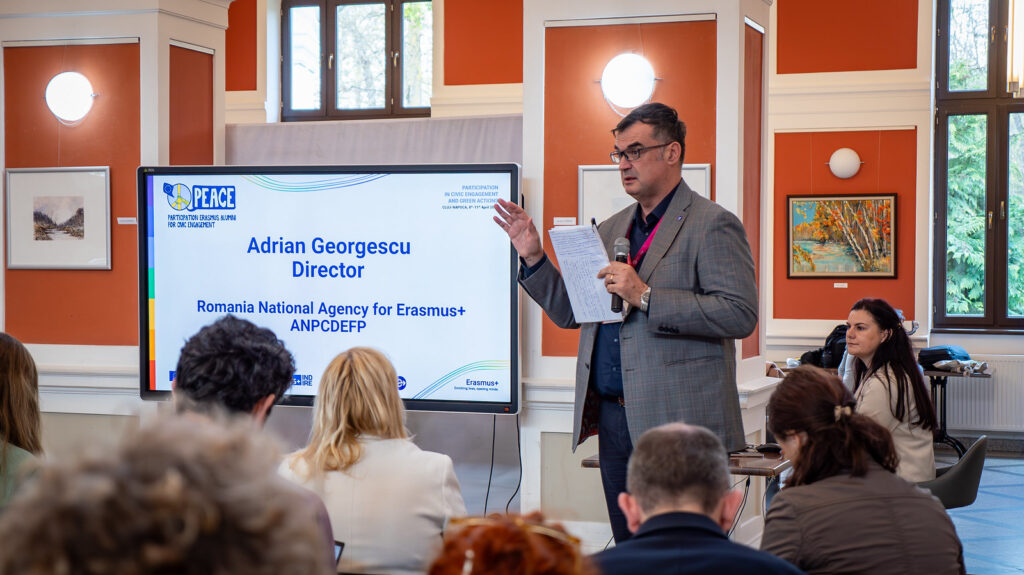
During his speech, Adrian Georgescu, director of the Romanian Erasmus+ agency ANPCDEFP instead posed a question to the participants, as one of the possible challenges for the future. “Given the importance of the Erasmus+ Programme, don’t you think that it should be considered and added to European values? And just like these it should be protected and nurtured”, he explained.
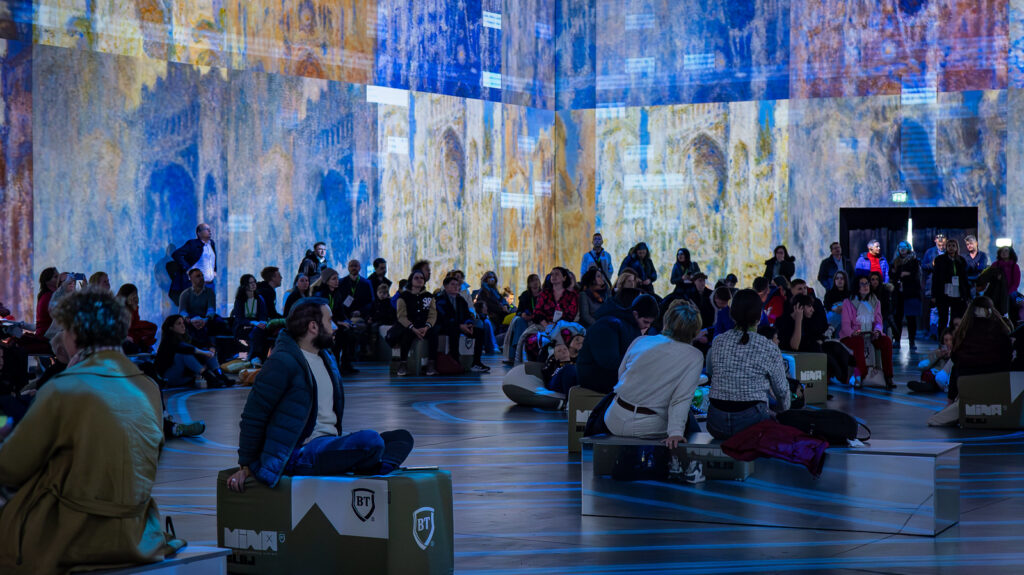
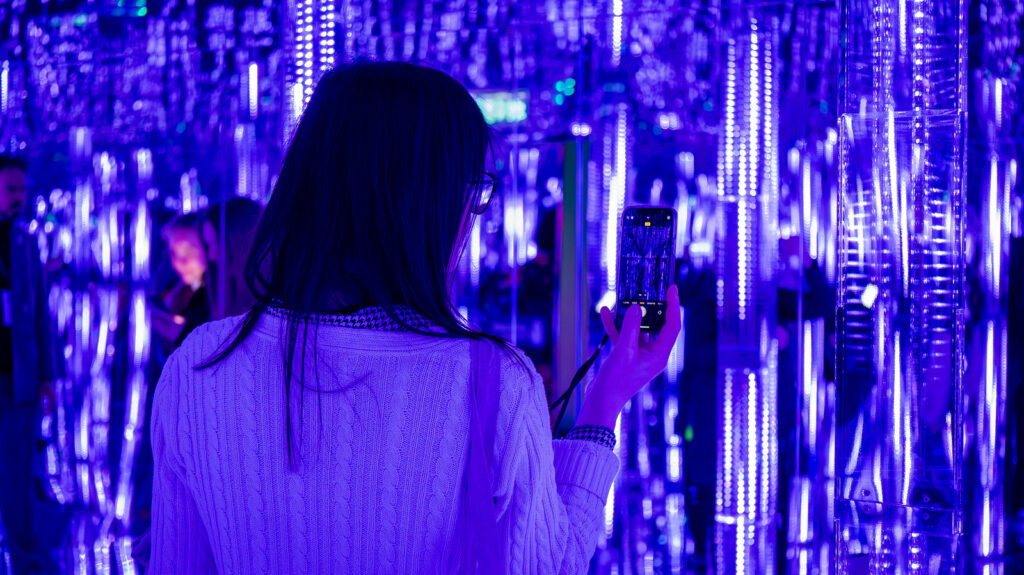
After two moments of reflection on the future, civic participation, inclusion and green actions by Diana Stafie, Strategic Foresight Consultant at Parfeni and Andreea Suciu, Erasmus+ Ambassador, the participants visited the MINA-Museum of Immersive New Art.
The day of 10 April opened with a speech by Paul Blokker, Professor of Political Sociology at the University of Bologna, who recalled how: “Erasmus+ can make an important contribution to democratic participation in Europe but we have to make it work. With the PEACE project we try to develop a critical mindset, where alumni, staff and ambassadors reflect on how they could contribute to further civic and political learning”. He went on to provide some insights into how Erasmus+ facilitates political participation, what it means to build skills for civic engagement, what knowledge and learning is needed to promote knowledge and critical thinking, and what contribution the National Agencies can make by working together within the LTA PEACE to this process.
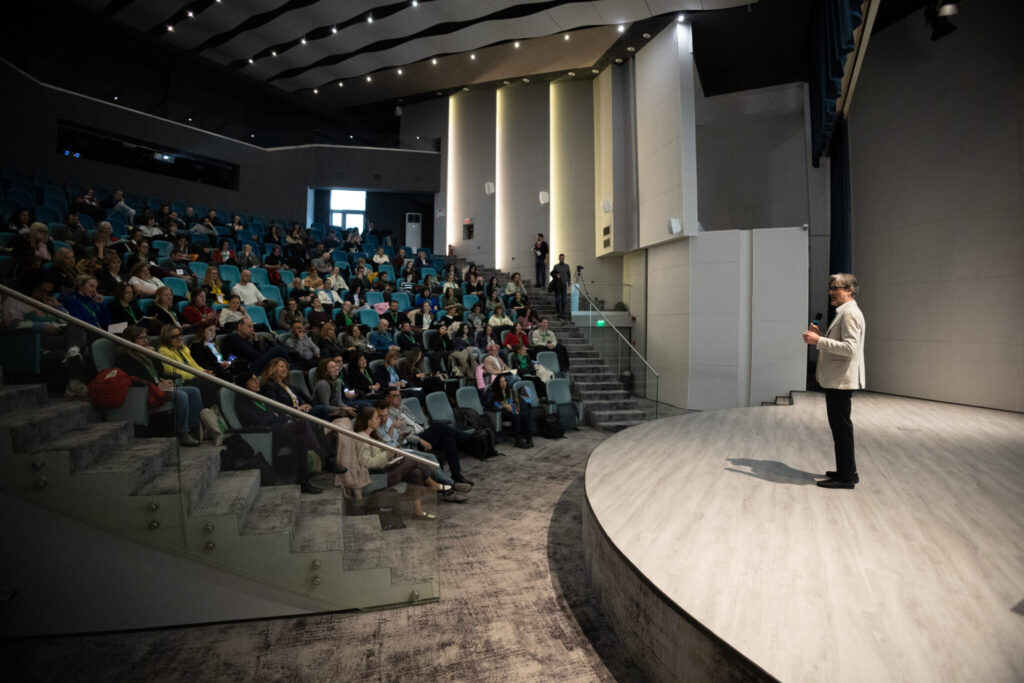
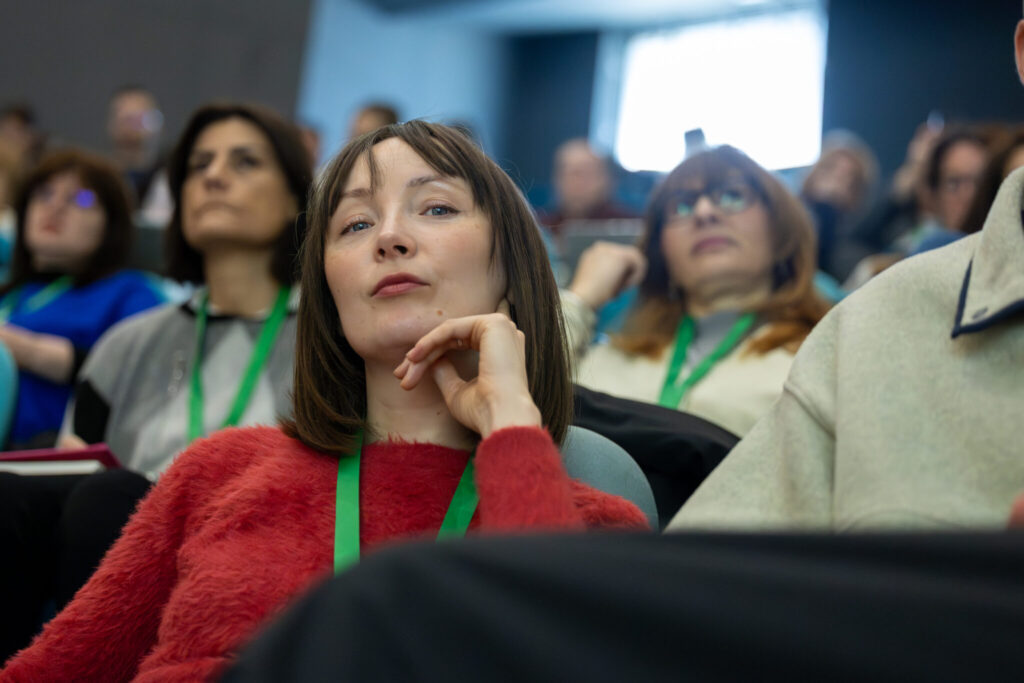
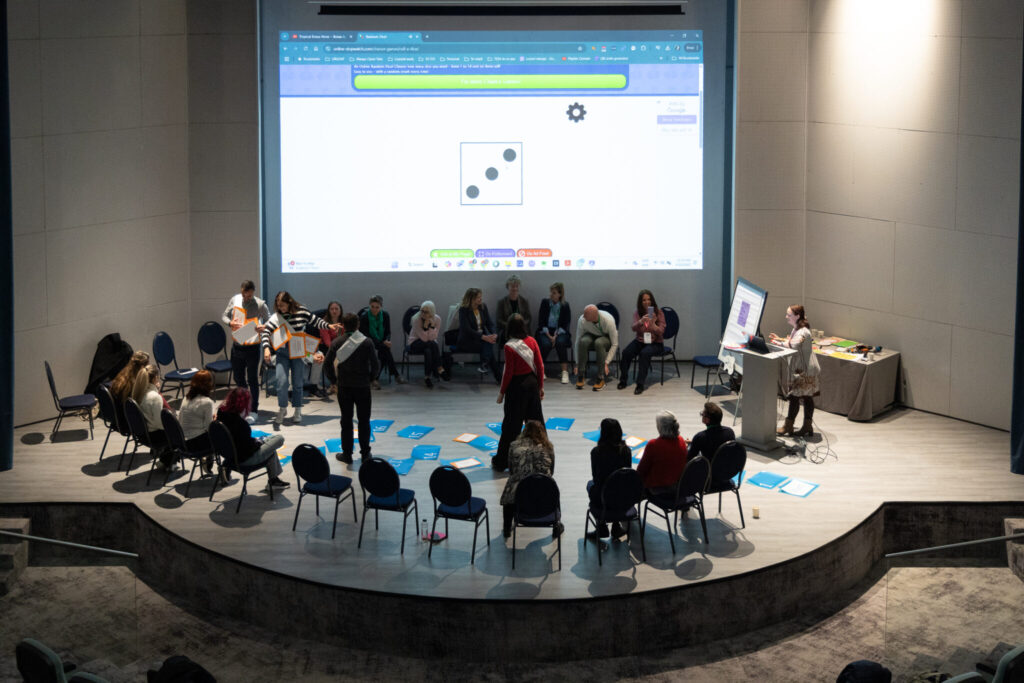
Space was then given to five parallel thematic workshops, which were also repeated in the afternoon and addressed issues such as the use of an inclusive language, how to bring values into practice, but also what European values mean today, as well as smart, green and digital person-centred learning and the use of art for civic engagement.
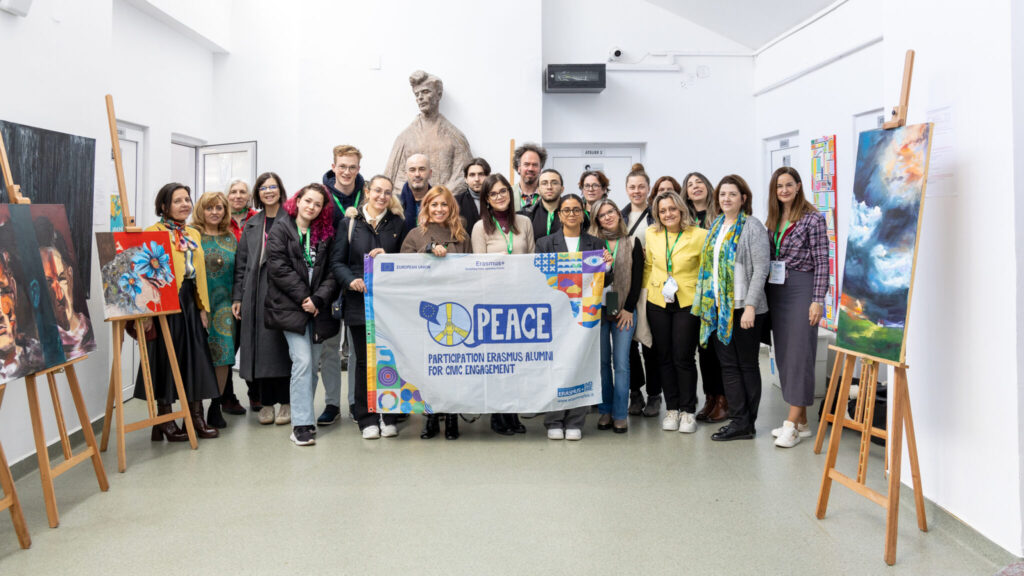
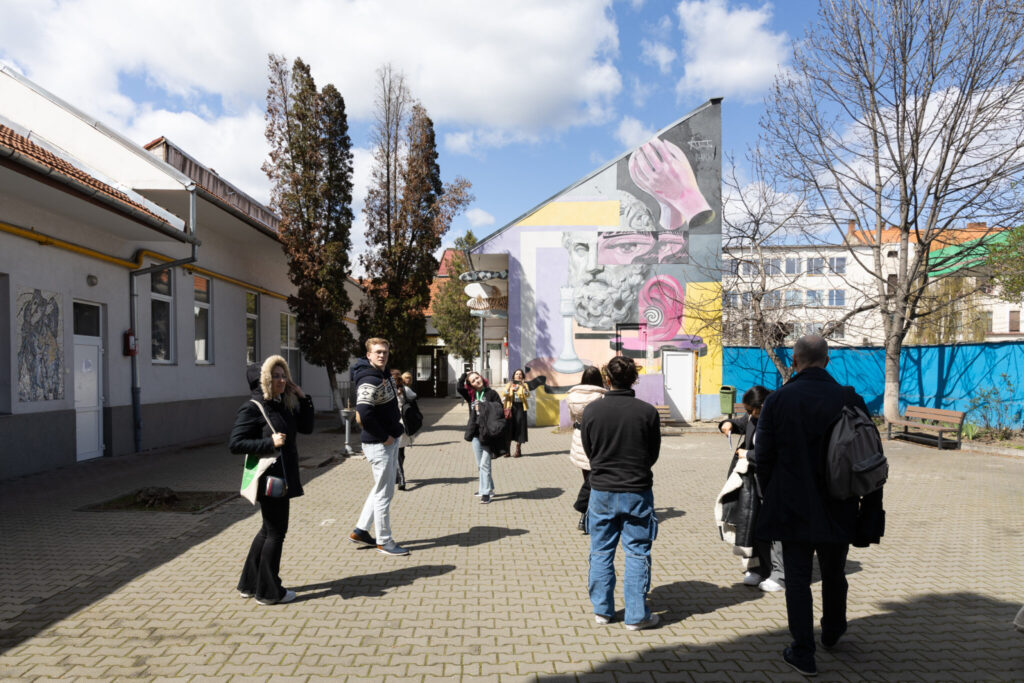
The participants of the PEACE seminar in Cluj-Napoca then took part in the Erasmus Goes To Town activity, with study visits to educational centres, universities, schools and the Transylvanian Ethnographic Museum.
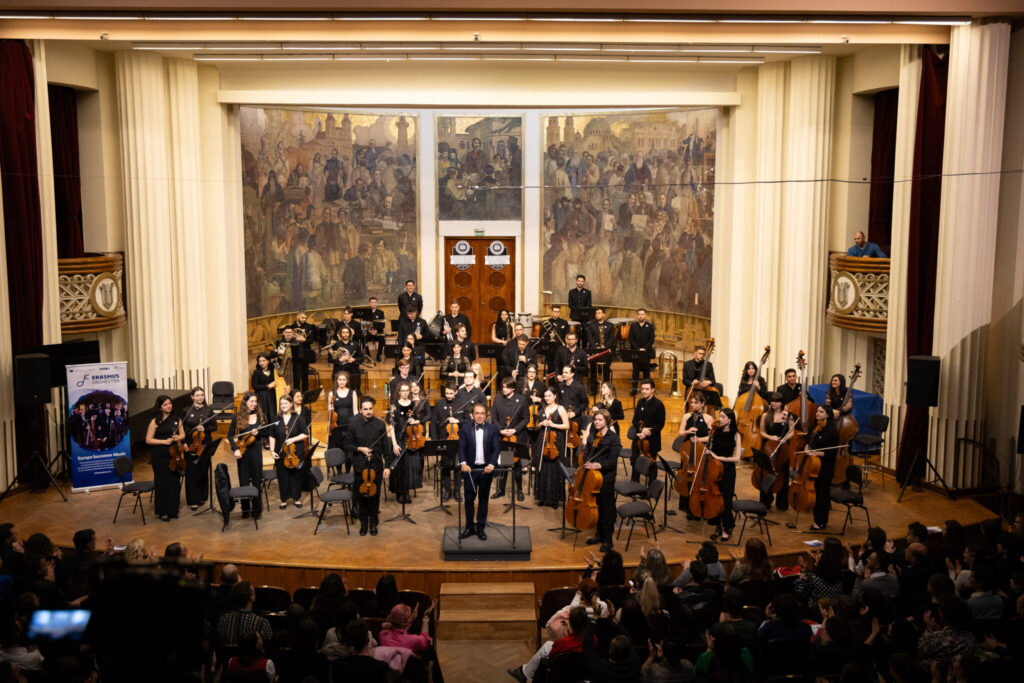
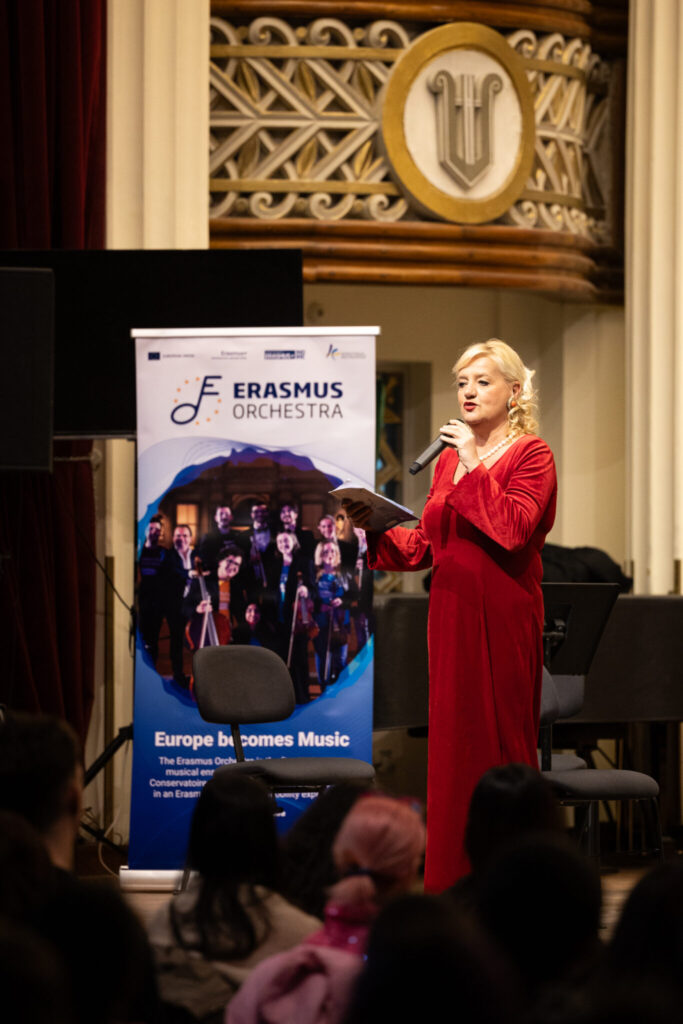
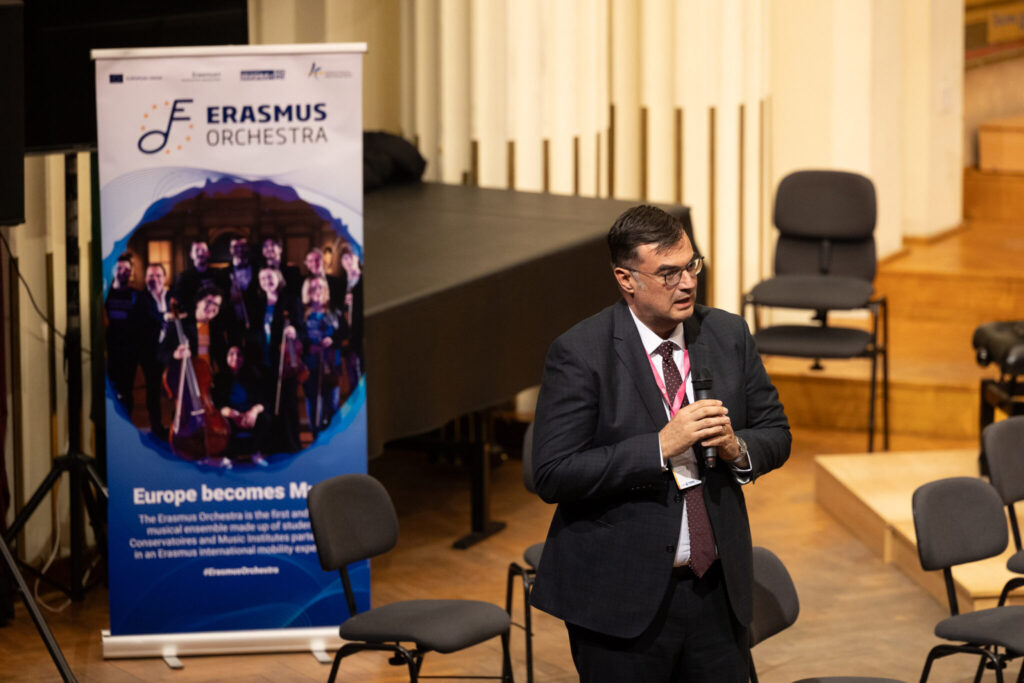
The day ended at the Auditorium Maximum in the city centre, with a concert by the Erasmus Orchestra, in the presence of a large number of young people. The ensemble, made up of 60 students from European conservatoires and music institutes who have carried out or are carrying out an Erasmus+ international mobility experience, performed arias by Mascagni, Donizetti, Puccini and Morricone, with a special tribute to Romania, with music by Dimitrescu and Bartòk, in the sign of unity in diversity through music.
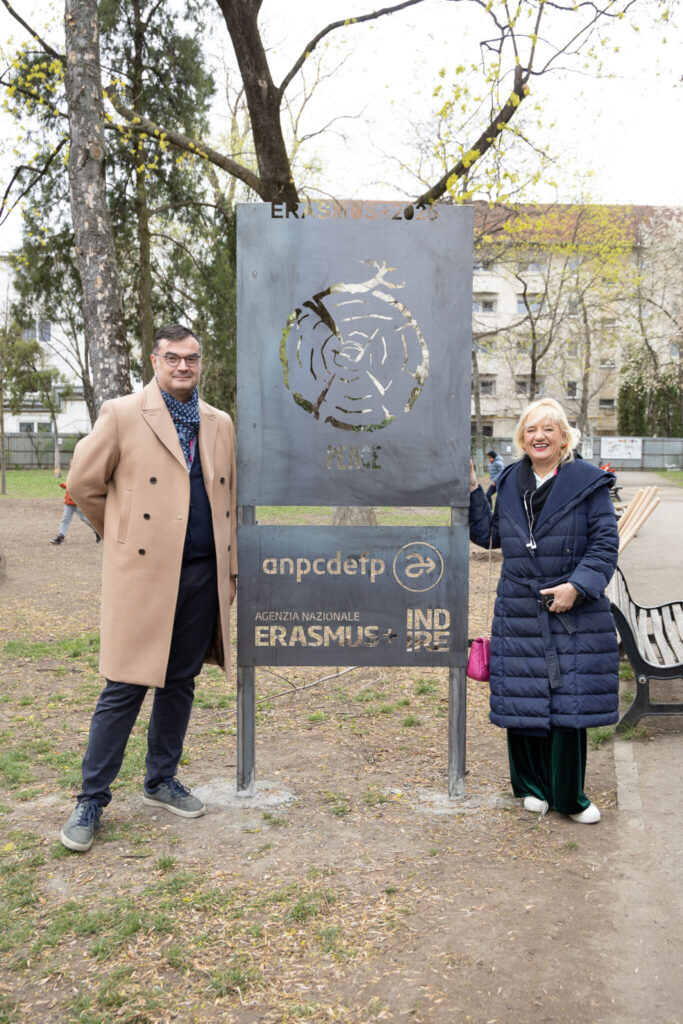
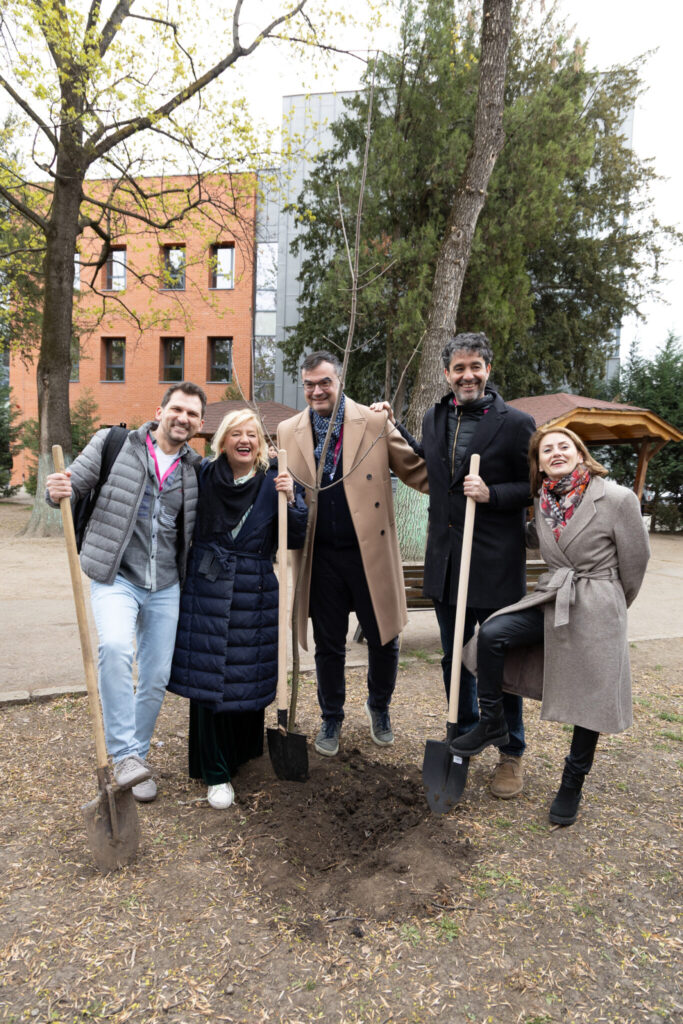
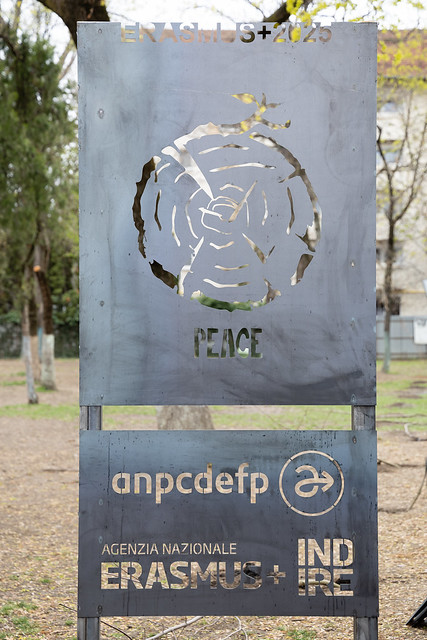
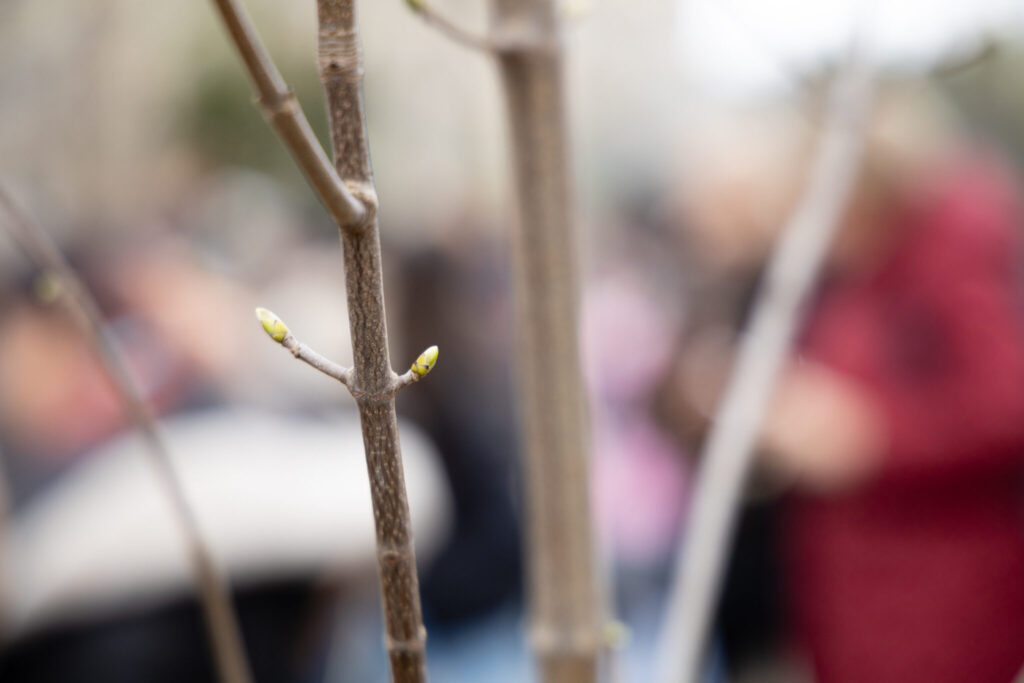
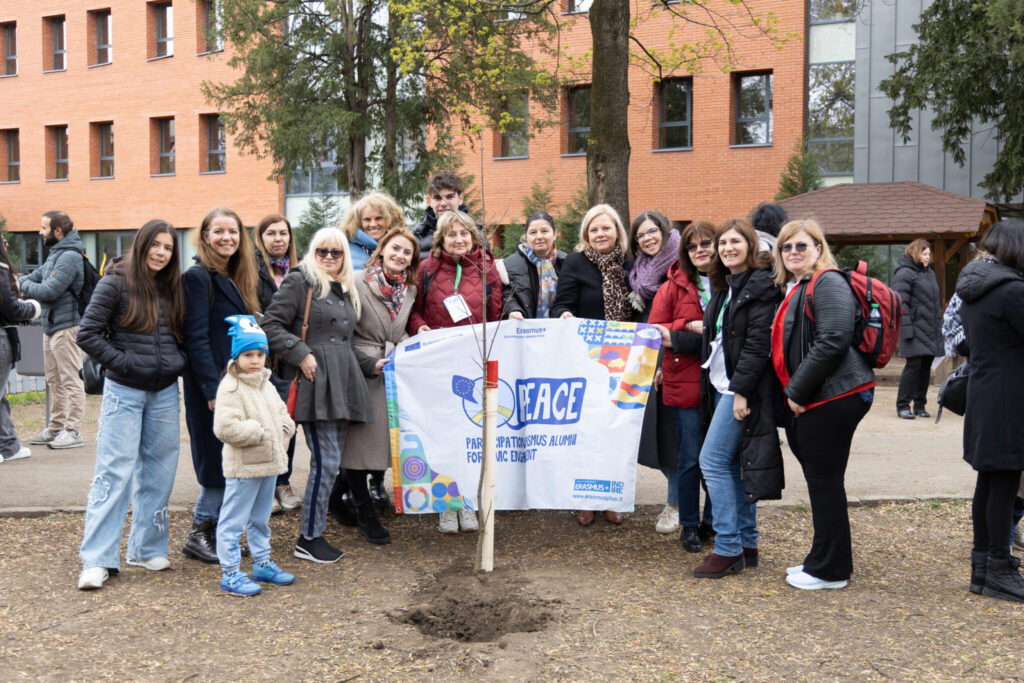
The last day of the PEACE seminar in Cluj-Napoca, Friday 11 April, focused on international cooperation and green. Inside the Avram Iancu High School, delegations from the 20 participating countries planted 20 maple trees, a symbol of peace in Romania, creating the first green park inside a school.
By Matteo Minà, journalist, INDIRE Italian National Agency for Erasmus+
Photo: Michele Squillantini (INDIRE) e Andrei Ioniță (Veioza Arte)